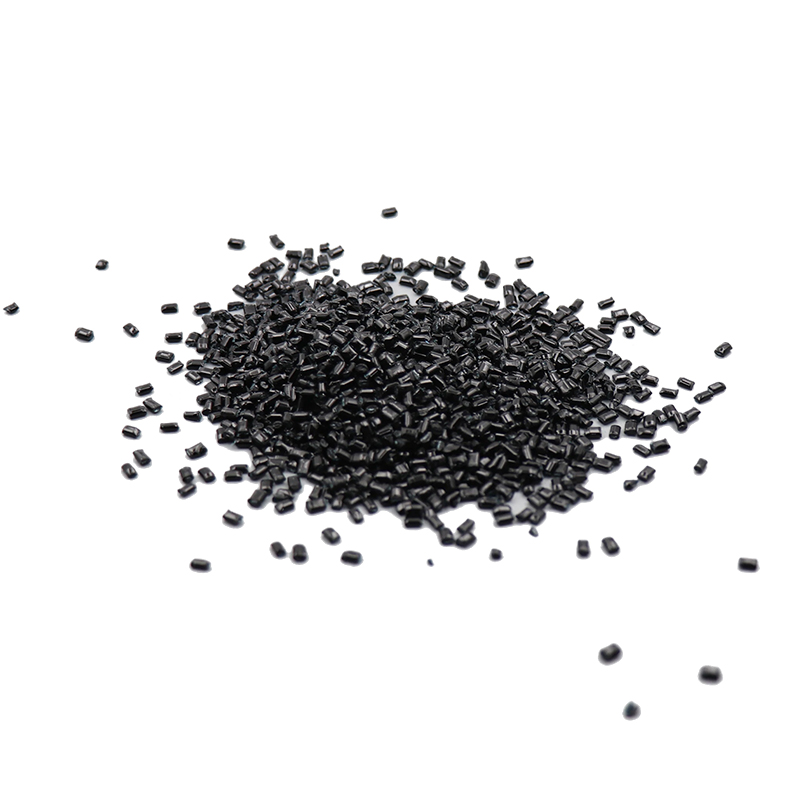

The change in tensile strength after blending tpe elastomer with PP is the result of the combined effects of proportioning, compatibility, processing technology, and morphological structure.
When PC is blended with polyolefins, the low viscosity of polyolefins can significantly improve the flowability of PC, making it suitable for manufacturing thin-walled or complex structure products.
TPE elastomers generally have poor heat resistance, while engineering plastics such as polyphenylene oxide (PPO) have excellent high-temperature stability.
The development of a phosphorus-nitrogen synergistic flame retardant system further reduces smoke generation by promoting char formation and heat insulation.
Due to its unique molecular structure and processing properties, TPE elastomer is widely used in outdoor cables, automotive seals, sports equipment and other fields.
In modern plastic product production, color has long transcended mere visual decoration to become a crucial vehicle for brand identity, functional differentiation, and product value.